Doing nothing is not an option
21st May 2026 by Louise Manning, OFC26 Report Author
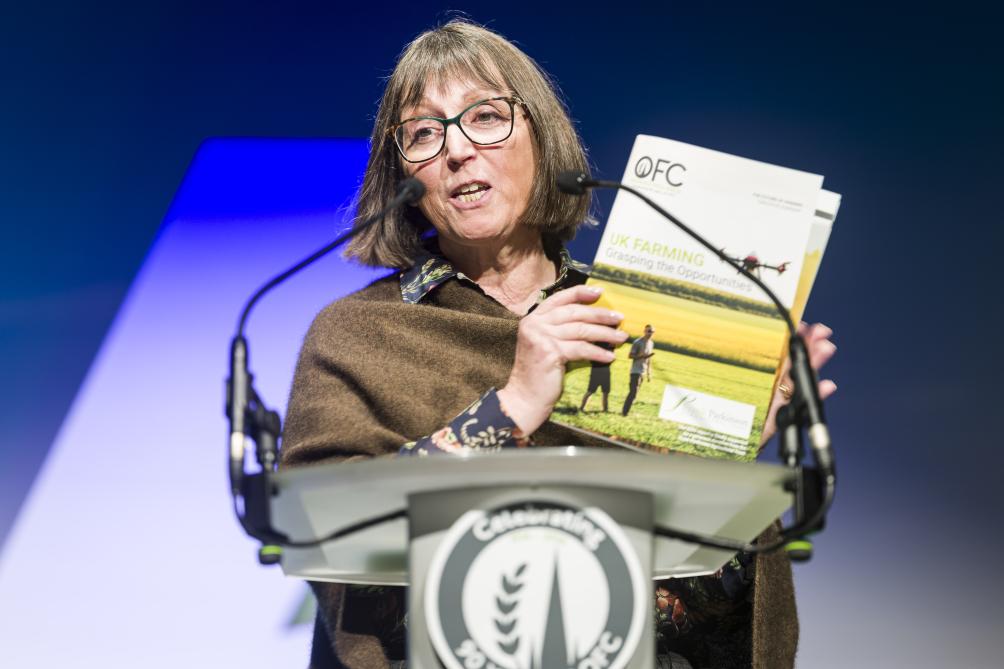
Louise Manning, OFC26 Report Author, discusses why doing nothing is not an option for farming businesses, and how many of the conversations that have followed the report launch are supporting more opportunity-driven thinking.
It was so great, after months of being absorbed in the fairly solitary process of researching and writing, to present the 2026 OFC report and be on the panel in Oxford. There is a lot of adrenaline that runs through you when you step on the stage and take in the conference audience before starting to speak. As the YouTube videos and the podcast highlight, there are some robust messages in the report on the steps we need to urgently take to ensure a good future for the UK agricultural sector.
Business as usual is not an option… we need to re-evaluate and pivot our businesses to move from survive to thrive status, from doom loop and drawbridge mindsets to being opportunity driven. First and foremost, it is the business operators, managers and staff that need to take action. Frankly, there is not a lot of additional support out there.
I was really pleased with the feedback and comments after I came off the stage and over the next few days. The launch generated a lot of energy in the room. There is a will to change not only from farming businesses themselves but by all actors in the UK agri-food sector and allied industries. If there is a vulnerable link in the system, then all businesses become vulnerable.
As with all reports whilst the launch is the end of the writing stage, it is only the beginning of Phase 2. And, as I said in the OFC report, all too often reports, policy documents and frameworks are launched and that is it, no action, no change. To avoid constant whack-a-mole policy, flip-flopping between one agenda and another, the opening of sector schemes one minute and suddenly closing them the next, we need clear pathways for action, defined achievable milestones for the journey and clear, communicated and achievable intended outcomes that have buy-in from everyone.
I am passionate that this report gains traction across the policy, finance and agri-food sector and businesses put the actions in place that will ensure they have a good future. I have spoken about the report at LAMMA, agricultural conferences, farmer groups and landscape stakeholder groups since Oxford. I have encountered the shallow thinking, vested thinking and also the opportunity-driven thinking that is addressed in the report. In the main I have been meeting people who want to access the tools to pivot their businesses to be more opportunity driven or accelerate what they have in place so that they can benefit from the realignment of the sector. The conversations have been energising, confirming we need a bottom-up business revolution, and we haven’t got much time to do it.
Doing nothing is not an option. The challenge is knowing which policy, technology and market direction we're going in and recognising and embracing the nature and speed of change. There is no time for complacency to wait and see how things pan out. Many businesses simply do not have the cash reserves to do that.
The four questions asked in the report have struck a chord with everyone I have spoken to …. What do we want to achieve, what do we keep doing, what do we stop doing, what can we do instead.. The answers are personal and business specific, there is no silver bullet, no template all farming businesses can follow, but the opportunity to do things differently, to do things more profitably, to make our businesses an investible product are within our grasp. We just need to engage and make it happen.
Louise Manning
Download the OFC26 Report, UK Agriculture: Grasping the Opportunities,